How long does Ultherapy last? Reasons vary by individual
2026-08-28
The duration of Ultherapy typically lasts between 6 months to 1 year, but the perceived duration may vary from person to person.
If you feel that the effects are diminishing quickly, it's important to consider skin sagging and collagen production responses.
It is advisable to decide on re-treatment based on how long the existing effects last rather than a predetermined schedule.

Hello, this is Derna Clinic.
After receiving Ultherapy, one question may arise.
“I heard it lasts a long time, but I feel like it’s fading back to how it was sooner than expected.”
“My friend says it lasts over a year, is there really that much difference between people?”
Why does the perceived duration of Ultherapy vary even among those who receive the same treatment? In fact, during Ultherapy consultations, we often receive questions about the duration of effects. Even though the same procedure is performed, some people seem to maintain the effects longer, while others notice changes in just a few months.
Ultherapy is not a treatment where all changes occur at once; rather, it is a procedure where skin tissue gradually changes over time in response to stimulation. Therefore, the duration of effects cannot be simply explained by a single number like 'a few months.'
Today, we will explore how long the effects of Ultherapy typically last, the reasons for individual differences, and the timing for Ultherapy treatments and re-treatments.
How long does Ultherapy typically last?
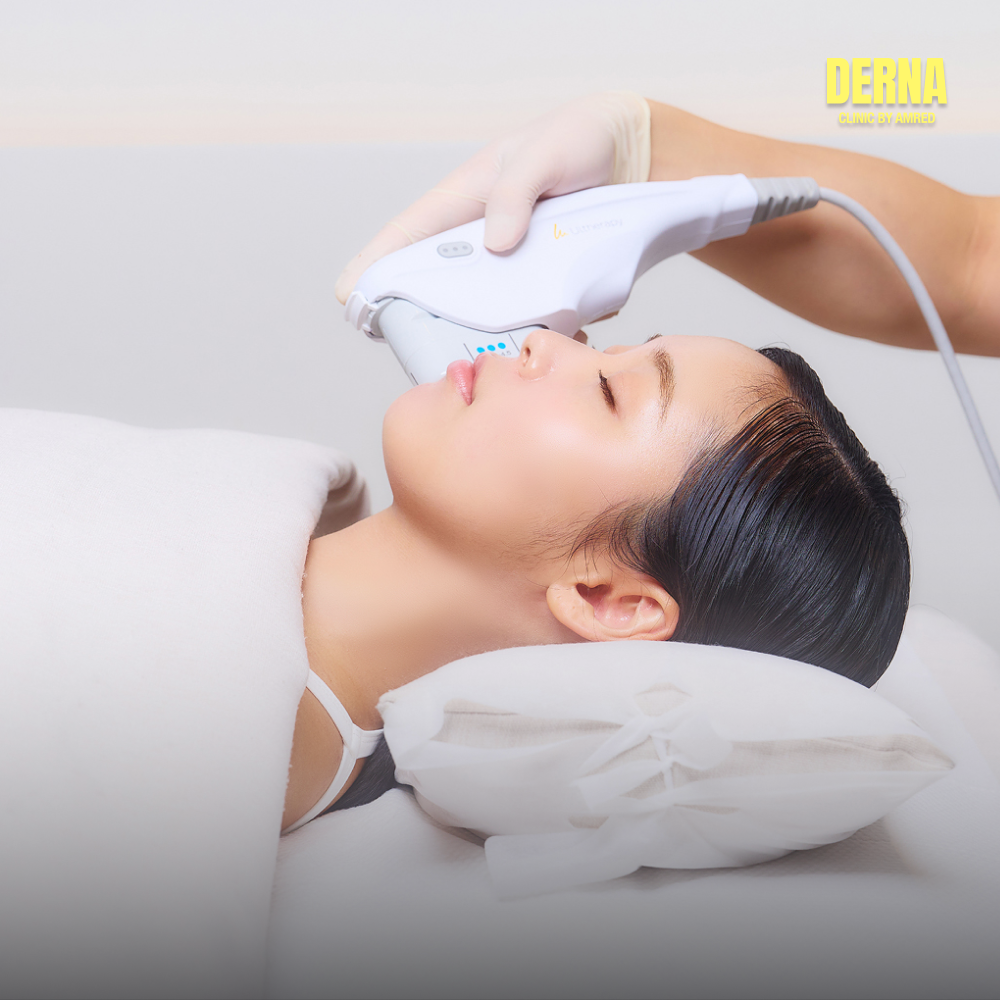
Ultherapy uses high-intensity focused ultrasound (HIFU) to deliver thermal stimulation to the deeper layers of the skin, inducing collagen regeneration. Generally, the duration of Ultherapy effects is often discussed as being around 6 months to 1 year. However, it is difficult to apply this timeframe uniformly to everyone. This is why the answer to the question, “How long does Ultherapy last?” can vary from person to person.
For example, even if treatments are received at the same time, the degree of skin elasticity remaining and the extent of sagging can affect the perceived changes. Some may feel significant changes even after 6 months, while others may start to notice sagging concerns much earlier.
Moreover, just because the duration has ended does not mean that the effects will suddenly disappear one day. It is more natural to understand that as time passes, the changes induced by the treatment gradually diminish, and natural aging resumes, bringing the skin closer to its previous state.
Why does the duration of Ultherapy vary among individuals?
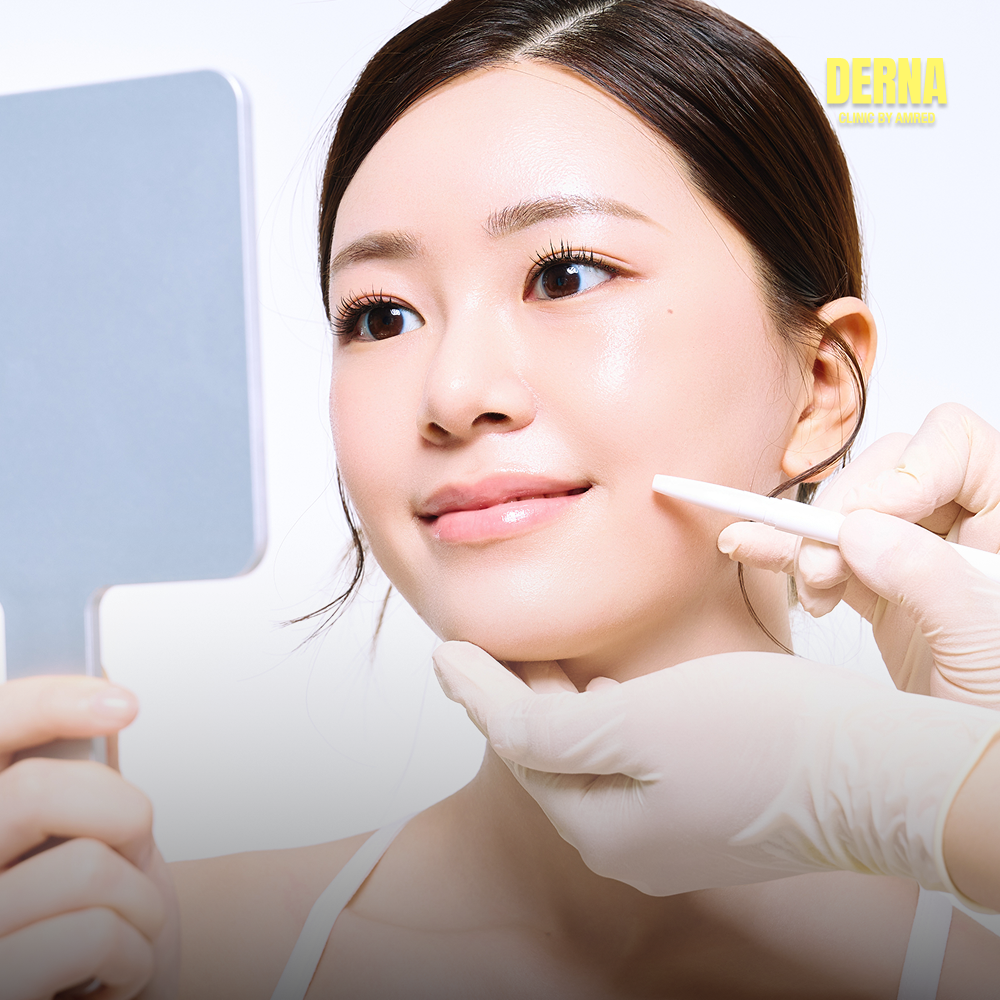
There are several reasons for the differences in the duration of Ultherapy. It is not solely determined by the number of treatments.
1️⃣ Skin condition before treatment
Skin that has already experienced significant sagging may show different degrees of change and maintenance compared to skin that retains more elasticity, even with the same treatment.
2️⃣ Individual skin characteristics
Since Ultherapy induces collagen production responses in the skin, differences in age, skin thickness, and overall skin condition can lead to variations in response.
3️⃣ Treatment design
It is important to plan the energy delivery considering the facial structure, sagging direction, and areas of concern, rather than applying the same method across the entire face. However, having more shots does not necessarily mean a longer duration of Ultherapy effects.
4️⃣ Lifestyle habits
Lastly, lifestyle habits that can affect skin aging, such as sun exposure, smoking, lack of sleep, and rapid weight changes, should also be considered.
Ultimately, the duration of Ultherapy effects is the result of a combination of the treatment itself, the current skin condition, treatment design, and environmental factors.
Wait, should I be getting Ultherapy? If you're unsure, check out the post below. Ultherapy Age
👩🏻⚕️What age should I start considering Ultherapy?
When do the effects of Ultherapy appear and how long do they last?
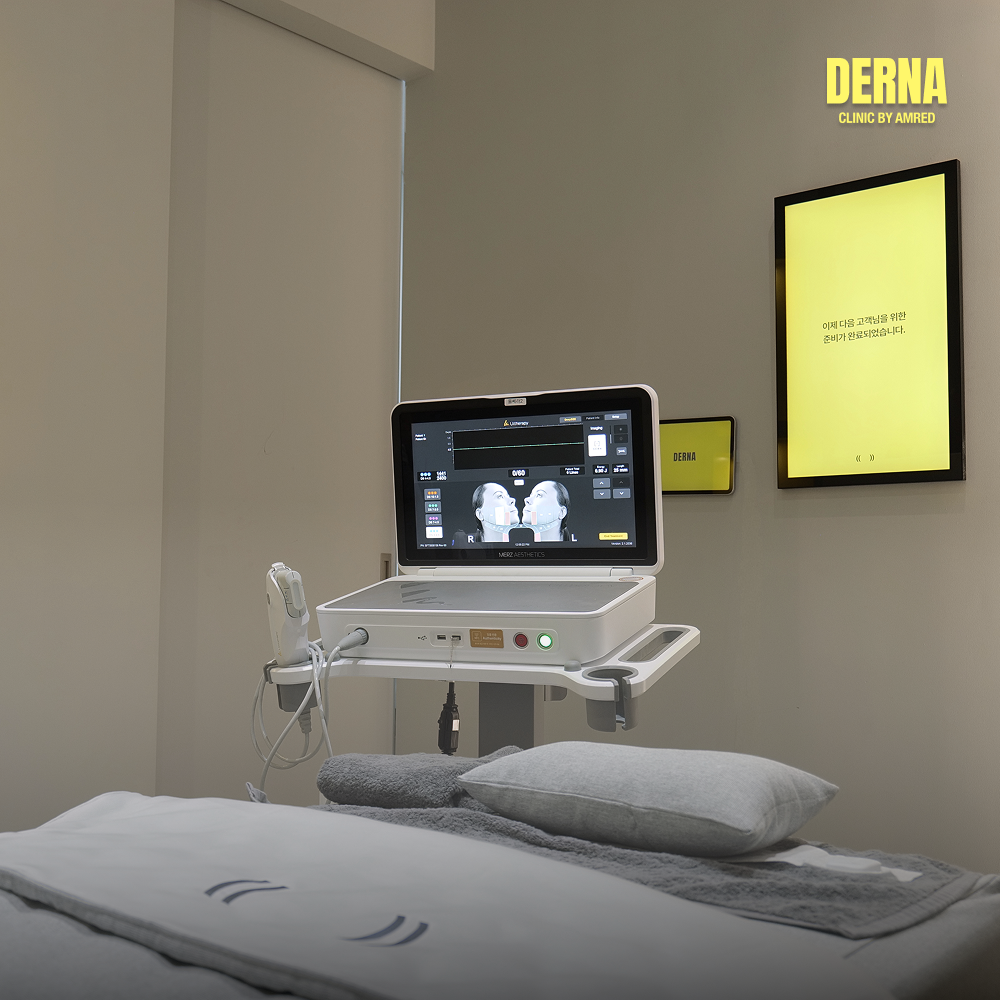
“When do the effects of Ultherapy start to show?”
This is a common question among those who are learning about Ultherapy, as much as the duration of effects.
It is better to observe the changes that occur over time rather than judging the overall effects based solely on the appearance immediately after treatment. Temporary swelling, tightness, and warmth may occur right after the procedure. Following this, the skin tissue's response may lead to gradual changes in elasticity and skin texture over weeks to months.
While individual differences exist, the timing of Ultherapy effects is generally observed around 1 to 3 months. After this period, changes may be maintained for a while before gradually diminishing over time.
Therefore, when assessing the effects of Ultherapy, it is important to consider not only when they appear but also how quickly changes occur and how long they last.
What is the timing for Ultherapy? When should I consider re-treatment?
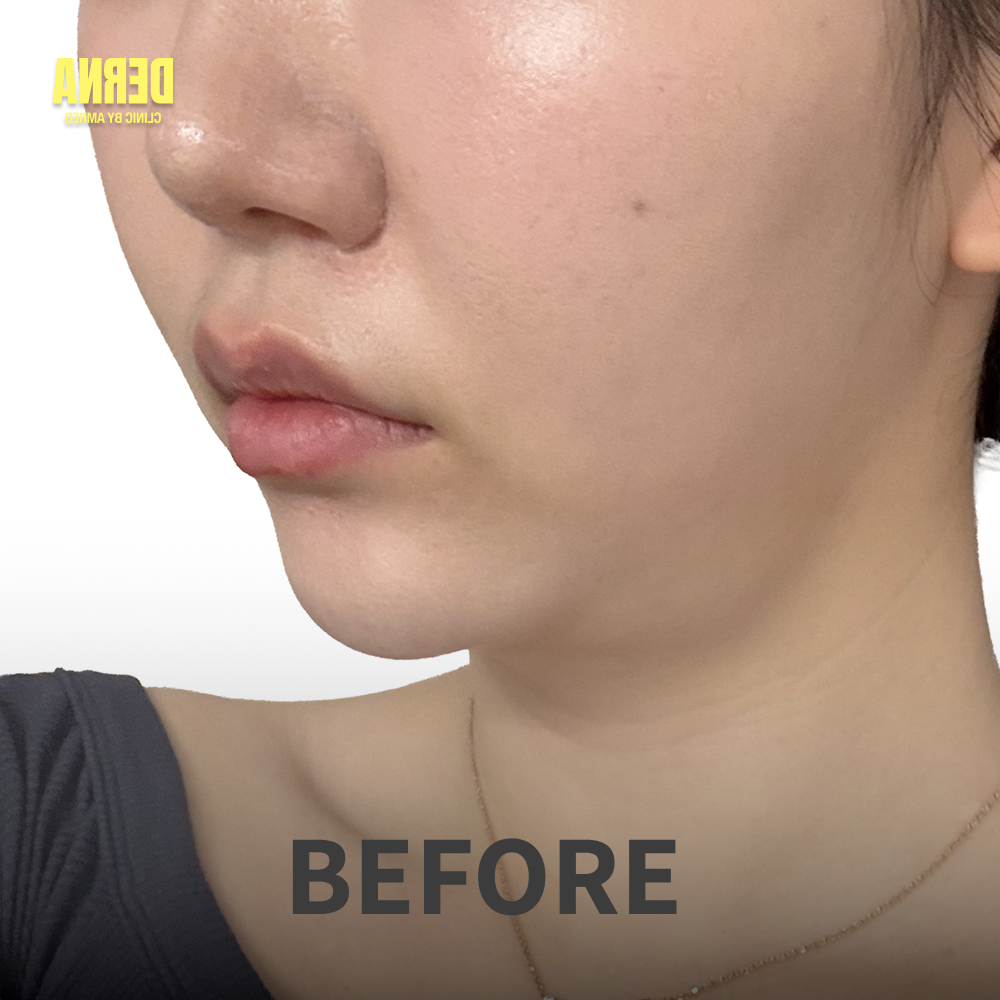
So, how many months should the timing for Ultherapy be set? In fact, there is no single answer that applies to everyone. You can consider consulting for the next treatment when the changes from the previous treatment begin to fade and you start to notice skin sagging or loss of elasticity again.
For example, the following situations may apply:
✔️When you feel that the changes from the previous treatment are gradually diminishing
✔️When skin sagging or loss of elasticity becomes noticeable again
✔️When you want to consult about the timing for the next treatment in accordance with a regular skin care plan
On the other hand, if the changes from the previous treatment are still adequately maintained, there is no need to rush into re-treatment just because a certain date has arrived.
Especially, the direction of care may vary depending on skin condition and the degree of sagging. Therefore, rather than setting a cycle like “Ultherapy must be done every few months,” it is better to determine the timing for re-treatment after assessing the current skin condition.
Frequently Asked Questions
What is the cost of one session of Ultherapy, and is it worth the price compared to the duration of effects?
The cost of Ultherapy varies depending on the number of shots (600 shots, 900 shots, etc.), the treatment area, and ongoing promotions. Instead of providing a specific amount in the text, we will guide you to a page where you can check in real-time. However, considering the typical duration of 6 months to 1 year, it may be helpful to approach the cost of one session as a 'monthly maintenance cost' by dividing it by the number of months of effects. You can check the prices for Ultherapy at Derna Clinic on the event page.
※Events may change or end without notice. If you cannot find what you are looking for, we will provide detailed guidance upon inquiry.
How many months or years should the duration of Ultherapy be considered?
The most commonly mentioned guideline is 6 months to 1 year. However, this is just an average range, and since collagen gradually decreases, it is difficult to specify. Depending on the degree of sagging and maintenance habits, it may feel shorter than 6 months or longer than 1 year.
Why does my Ultherapy duration feel shorter than others?
The most common reason is the degree of sagging before treatment. If sagging has already progressed, even if collagen builds up, it may feel like returning to the original state happens relatively quickly. Other factors such as individual collagen production ability, sun exposure, smoking, and rapid weight changes can also have an impact.
Is there a difference in Ultherapy duration between those in their 20s and those over 40?
As age increases, the rate of collagen production tends to slow down, so even with the same treatment, the perceived duration may feel shorter compared to those in their 20s. However, since there can be significant differences based on maintenance habits and original skin condition, it is difficult to conclude the duration based solely on age.
Does the number of shots, such as 600 shots or 900 shots, affect the duration?
The number of shots relates to the area and density of energy delivery, so more shots may be needed for wider or more severe sagging. However, simply increasing the number of shots does not necessarily mean the duration will proportionately increase; proper distribution according to facial structure and sagging degree is more important.
Can I receive re-treatment before the duration ends? Conversely, is it a loss to wait too long?
It is possible to receive treatment early as a maintenance measure while effects are still present, and in this case, collagen tends to accumulate, leading to a more stable and longer duration. Conversely, if treatment is received after the duration has completely passed and sagging has progressed again, it is not necessarily a loss; rather, it can be understood that collagen production begins similarly to starting the initial treatment.
Can I combine other treatments like fillers or skin boosters during the duration?
Yes, it is possible. Ultherapy focuses on lifting the SMAS layer, while fillers and skin boosters target volume and skin texture improvement, so proceeding with both can provide complementary effects across different layers. However, it is safest to determine the order and intervals of treatments through consultation with the medical staff at Derna Clinic.
Does rapid weight change due to dieting or yo-yo effects impact the duration?
It can have an impact. Rapid weight loss or gain after treatment can change the volume of fat and skin, making it feel like the carefully maintained contours are collapsing again. Maintaining a relatively stable weight during the duration may be helpful.
How much shorter is the duration if I neglect post-care (such as sun protection and moisturizing)?
It is difficult to specify an exact number of months, but frequent sun exposure or lack of moisturizing can accelerate collagen damage, making the duration feel shorter than average. Conversely, consistently practicing sun protection and moisturizing can help create an environment where collagen is stably maintained.
Does receiving multiple treatments gradually lengthen the duration? How many sessions should I receive for stability?
There is no fixed number of sessions, but many believe that repeating treatments every 6 months to 1 year can lead to cumulative collagen and gradually increase the duration. However, the exact recommended number of sessions can vary based on individual sagging degree and goals, so it is advisable to plan through consultation.
At Derna Clinic, we assess the current skin condition and facial characteristics through EVE V MUSE 3D diagnostics, and provide consultations tailored to individual concerns and conditions. If you're curious about when to receive Ultherapy again, it’s a good starting point to check the current state of your skin rather than simply following the same schedule as others.
10AM - 10PM EVERYDAY
SKIN. LOVE. LIFE
DERNA