Complete Guide to Types of Sunscreens! Differences and Selection Criteria Between Physical and Chemical Sunscreens
2026-08-07
It is important to check both the SPF (UVB protection) and PA (UVA protection) ratings of sunscreens.
Physical sunscreens are less irritating and provide immediate protection, while chemical sunscreens are lightweight but require absorption time. Recently, hybrid sunscreens that combine both advantages have become a trend.
After treatments, the skin barrier is weakened, so it is advisable to frequently reapply products that are gentle on the skin and also use physical barriers.

Hello, this is Derna Clinic.
As the sun gets stronger in this season, we often think about sun protection. Choosing a sunscreen can be more complicated as we need to consider not only UV protection but also issues like breakouts, oiliness, makeup smudging, and tone correction.
So today, we will summarize the types of sunscreens, the differences between physical and chemical sunscreens, and the selection criteria.
First, let's understand SPF and PA ratings
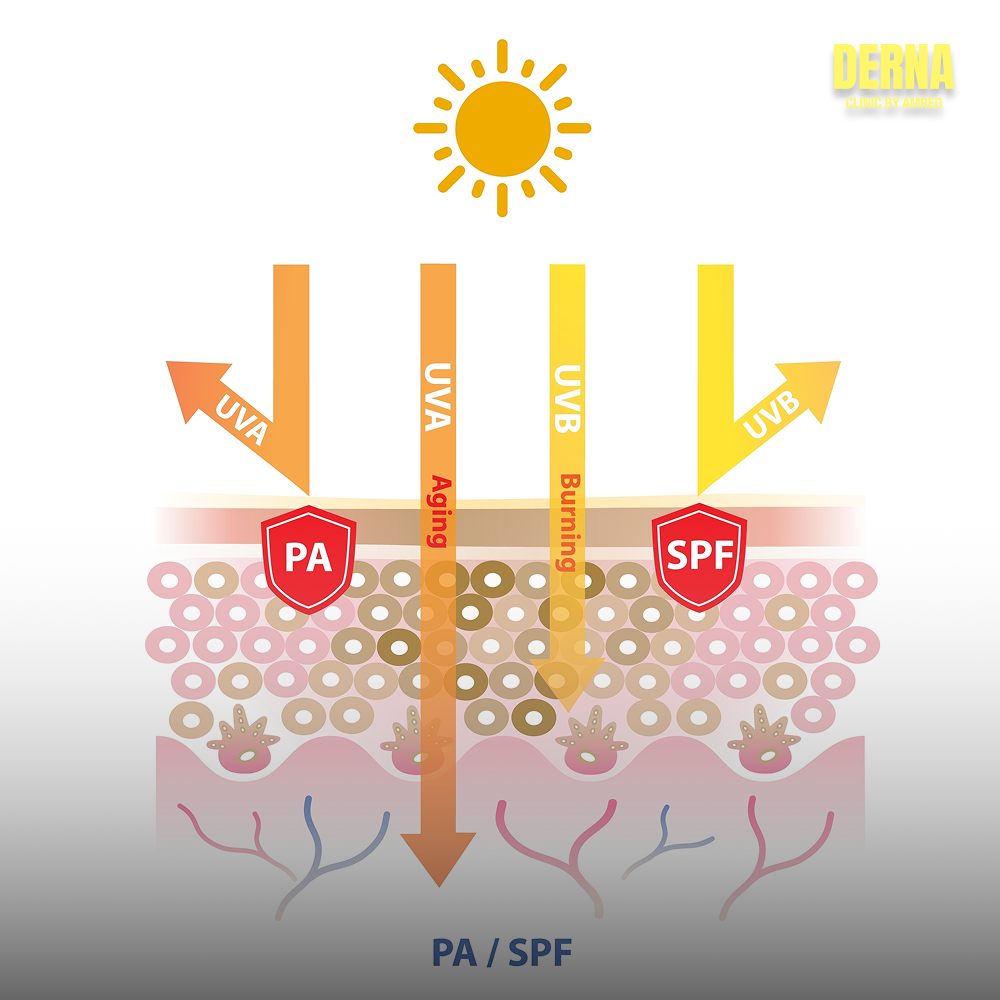
One of the essential factors to consider when selecting a sunscreen is the SPF and PA ratings. SPF (Sun Protection Factor) indicates the level of UVB protection. UVB affects the skin's surface and can cause sunburn and redness.
Generally, SPF 15 blocks about 93%, SPF 30 blocks about 97%, and SPF 50 blocks about 98% of UVB rays. PA (Protection Grade of UVA) indicates the level of UVA protection and is categorized into four levels from PA+ to PA++++.
UVA has a longer wavelength and can penetrate deep into the skin, known to contribute to melasma, pigmentation, and skin aging. Additionally, since it can pass through glass, protection is necessary even indoors or on cloudy days. When choosing a sunscreen, it is advisable to select products that display both SPF and PA ratings.
What is the difference between physical and chemical sunscreens?
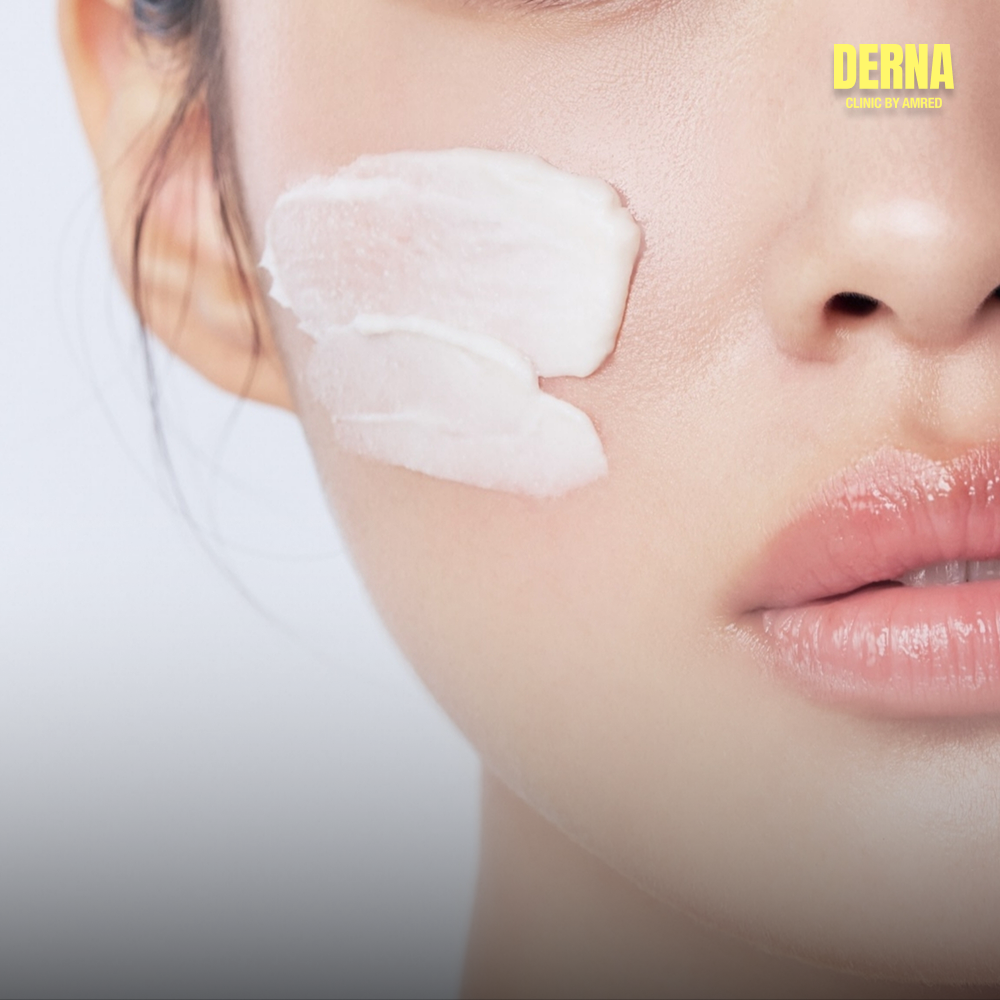
Sunscreens can be broadly categorized into two types.
💛Physical Sunscreens (Mineral Sunscreens)
This method reflects and scatters UV rays on the skin's surface without being absorbed, making it relatively less irritating and particularly effective against UVA.
✔️Advantages
→Immediate UV protection upon application
→Suitable for sensitive and troubled skin
✔️Disadvantages
→White cast
→Somewhat heavy feel
💛Chemical Sunscreens
This method absorbs UV rays, particularly with many UVB-absorbing ingredients. However, it requires time to adhere to the skin after application, so it should be applied 15 minutes before going outside.
✔️Advantages
→Lightweight and natural finish
→Easy to use with makeup products
✔️Disadvantages
→May irritate sensitive skin
In the past, physical and chemical sunscreens were distinctly separated, but recently, hybrid sunscreens that combine the benefits of both have become widely used.
What are the trends in selecting sunscreens?
Knowing the trends when choosing types of sunscreens can broaden your options.
💛Combination with Skincare Functions
Recently, many sunscreens combine sun protection with moisturizing, whitening, tone-up, and skin barrier strengthening functions, creating hybrid products.
💛Lightweight Formulations
Gels and watery textures that feel almost weightless are gaining attention as 'skincare sunscreens' that do not cause makeup to smudge when applied before makeup.
💛Tinted Sunscreens
Tinted sunscreens that also provide color correction are gaining attention. They are practical products that can correct skin tone with just one application.
Why is sun protection important after dermatological treatments?
After skin treatments, the skin barrier may temporarily weaken. Exposure to UV rays during this time can lead to pigmentation, redness, and breakouts, requiring more careful management. The choice of products after treatment should also differ from usual.
For sensitive skin, it is best to prioritize gentle products and use products with high UV protection. Additionally, reapplying every two hours and using physical barriers like hats or umbrellas is recommended.
By the way, Derna Clinic is currently running various dermatological treatment events. Please check the link below for detailed event information.
🔎Go check out Derna Clinic events
※Events may change or end without notice. If you cannot find what you are looking for, please inquire for detailed guidance.
Frequently Asked Questions
Q. What do SPF and PA ratings mean? Should I check them indoors as well?
SPF indicates the level of UVB protection that causes sunburn. PA is the UVA protection grade, categorized into four levels from PA+ to PA++++. Since UVA can penetrate glass and affect pigmentation and aging even indoors or on cloudy days, it is advisable to check the PA rating as well.
Q. What is the difference between physical and chemical sunscreens? Why do I need to apply chemical sunscreens in advance?
Physical sunscreens provide immediate protection by reflecting and scattering UV rays. Chemical sunscreens absorb UV rays and require time to adhere to the skin, so they should be applied 15-30 minutes before going outside to function effectively.
Q. What sunscreen is safe for sensitive and breakout-prone skin?
Physical sunscreens act on the skin's surface and are less likely to irritate, making them relatively safe for sensitive and troubled skin. If the white cast or heavy feel is a concern, hybrid sunscreens that combine the benefits of both physical and chemical types can be an alternative.
Is it sufficient to use only tone-up or tinted sunscreens for protection?
Even if the product has color correction functions, as long as the SPF and PA ratings are indicated, the sun protection function is maintained. However, if the application is too thin, it may not provide adequate protection, so applying the right amount and reapplying as needed is important.
If I have very dry skin, do water/gel formulations maintain their protective strength?
Even hybrid products with skincare functions will have the same SPF and PA ratings. However, lighter formulations may apply thinner, so it is advisable to apply a sufficient amount to achieve the indicated effectiveness.
Do I need to double cleanse on days I wear sunscreen? Will using only foam cleanser clog my pores?
Chemical sunscreens or products with strong adherence may not be easily removed with just foam cleanser, so it is advisable to use a cleansing oil or milk first for double cleansing. Lighter physical sunscreens are generally easier to cleanse.
How can I reapply sunscreen over makeup?
For reapplication over foundation, using a lightweight form like a sunscreen cushion or stick is better to avoid disturbing makeup. Reapplying every 2-3 hours helps maintain protection.
Can neglecting sun protection after laser toning or lifting treatments lead to pigmentation?
Yes, after treatments, the skin barrier may temporarily weaken, and exposure to UV rays can lead to pigmentation or redness. During this time, it is advisable to use gentle products, reapply every two hours, and also use physical barriers like hats or umbrellas.
Should I apply sunscreen to my eyes, lips, and neck as well?
Yes, the skin around the eyes and neck is thin and vulnerable to UV rays, making it prone to discoloration and wrinkles. Lips can also become dry or discolored due to UV exposure, so it is advisable to apply sunscreen to these areas as well.
If I have leftover sunscreen from last year, can I still use it this year?
It is generally recommended to use opened products within 12 months (based on the product's expiration date). After this period, the ingredients may degrade, reducing their protective effectiveness. The rate of degradation can also vary based on storage conditions (high temperatures, exposure to direct sunlight), so it is safer to replace it with a new product.
Choosing a sunscreen that suits your skin condition and lifestyle is important. If you want to maintain healthy skin and good condition, you need to know the right care methods for you. Since the necessary care methods may vary depending on your skin condition, it can also be helpful to confirm the direction through a professional diagnosis.
If you want to learn more about your skin

10AM - 10PM EVERYDAY
SKIN. LOVE. LIFE
DERNA