Titanium Lifting Side Effects? Causes and Prevention Methods for Burns and Pigmentation
2026-08-25
Side effects of titanium lifting can include redness, dryness, burns, and pigmentation.
The side effects of titanium lifting can vary depending on skin condition, pigmentation, and energy settings.
Skin diagnosis and individual energy adjustments before the procedure are crucial for preventing side effects.

Hello, this is Derna Clinic.
“Titanium lifting is said to have quick effects, but are there any side effects?”
If you've searched for titanium lifting side effects, you may have wondered about this at least once. Many people worry about whether there are side effects like burns or pigmentation, especially if they have sensitive skin.
Titanium lifting is a procedure that delivers thermal energy to the skin using a diode laser. Therefore, the reactions that occur after the procedure can vary slightly depending on skin condition and energy settings. Today, we will look at what side effects titanium lifting can have, why they occur, and how to reduce those risks.
What Symptoms Can Occur from Titanium Lifting Side Effects?
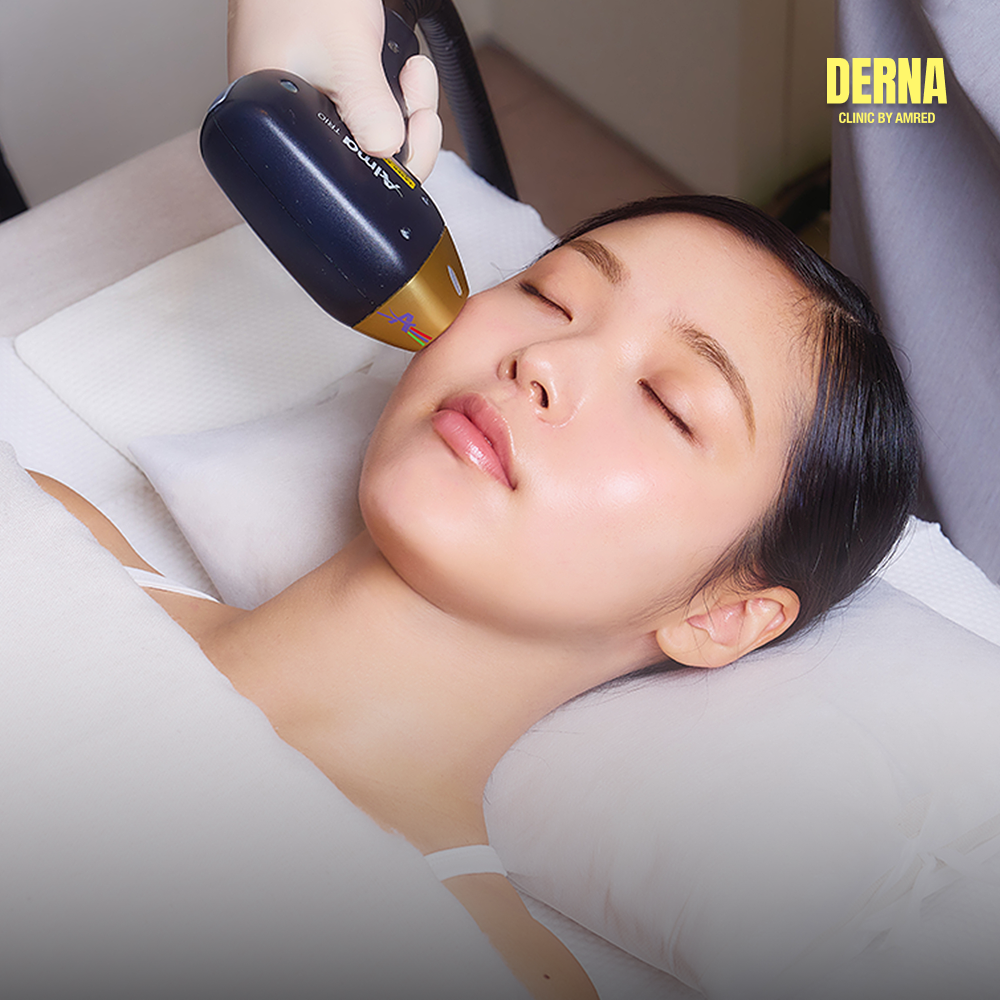
After titanium lifting, temporary redness or dryness may occur as a skin reaction to thermal energy. Most of the time, these symptoms subside naturally over time, but different reactions may occur depending on skin condition and treatment conditions.
Common reactions that can be observed include:
✔️ Burns and Pigmentation
If energy is applied to areas with dense pigmentation, such as spots, melasma, or blemishes, without considering the skin condition, it can lead to thermal irritation.
✔️ Itching and Follicle Irritation
Due to the nature of the diode laser, heat may react with hair and follicles, causing temporary itching, hives, or folliculitis.
✔️ Redness and Dryness
This is a common reaction that often occurs after procedures using thermal energy.
The important point is that these reactions do not occur the same way in everyone. The type and degree of titanium lifting side effects can vary depending on skin type, pigmentation status, and current skin condition.
Why Do Titanium Lifting Side Effects Occur?
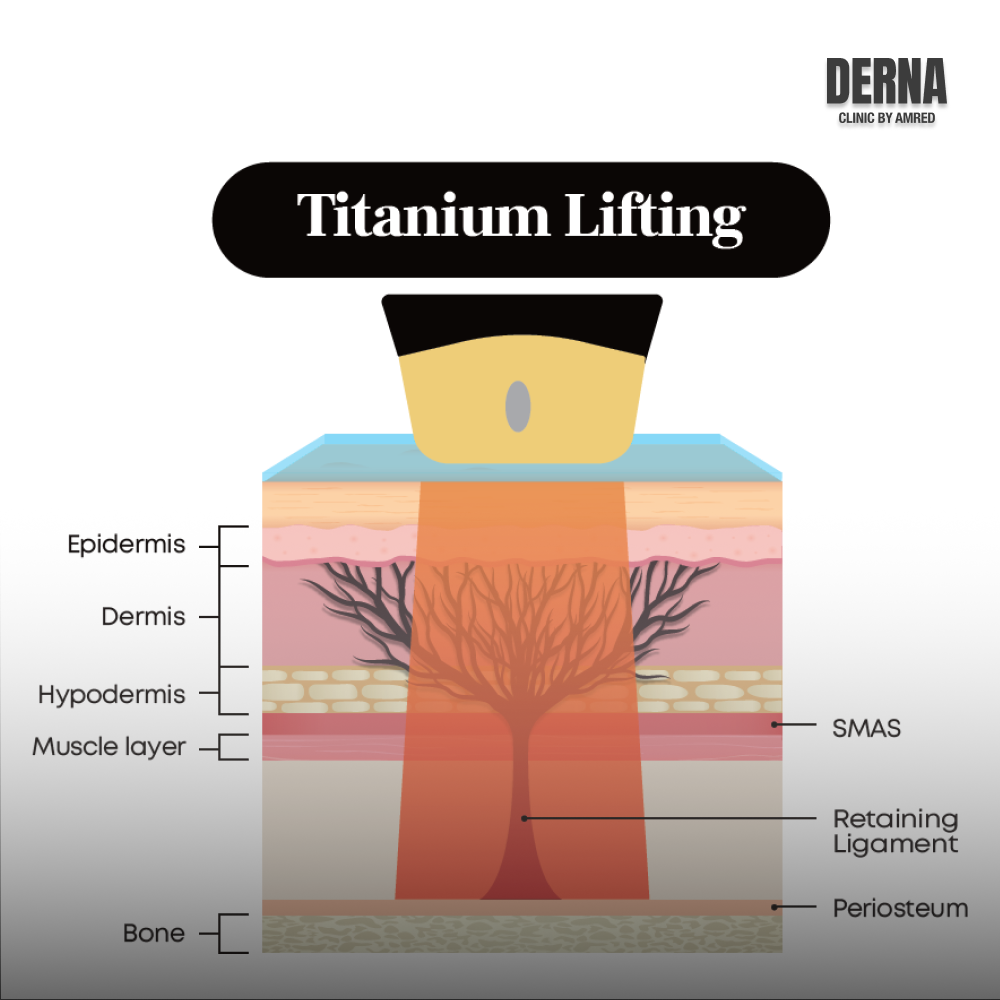
To understand titanium lifting side effects, it's essential to first look at how the equipment operates. Titanium lifting uses three wavelengths of diode laser (755nm, 810nm, 1,064nm) to deliver thermal energy to the skin. Each wavelength reaches different depths, allowing for thermal stimulation to be delivered to various layers of the skin.
At this time, the delivered heat is related to the treatment effect, but if the current skin condition is not adequately considered, it can lead to unwanted reactions. In particular, some wavelengths have a characteristic of reacting to melanin pigment. Therefore, it is essential to check areas with melasma, spots, or blemishes, as well as skin that has been exposed to UV rays due to recent tanning, before the procedure.
To see the effects of titanium lifting effectively, it is crucial to first check your skin condition rather than simply applying high energy, and to set the energy according to the condition of each area.
If you want to know more about the effects of titanium lifting, check the link below.
👩🏻⚕️When do the effects of titanium lifting appear? Duration and ways to maintain them
Check This First to Reduce Titanium Lifting Side Effects
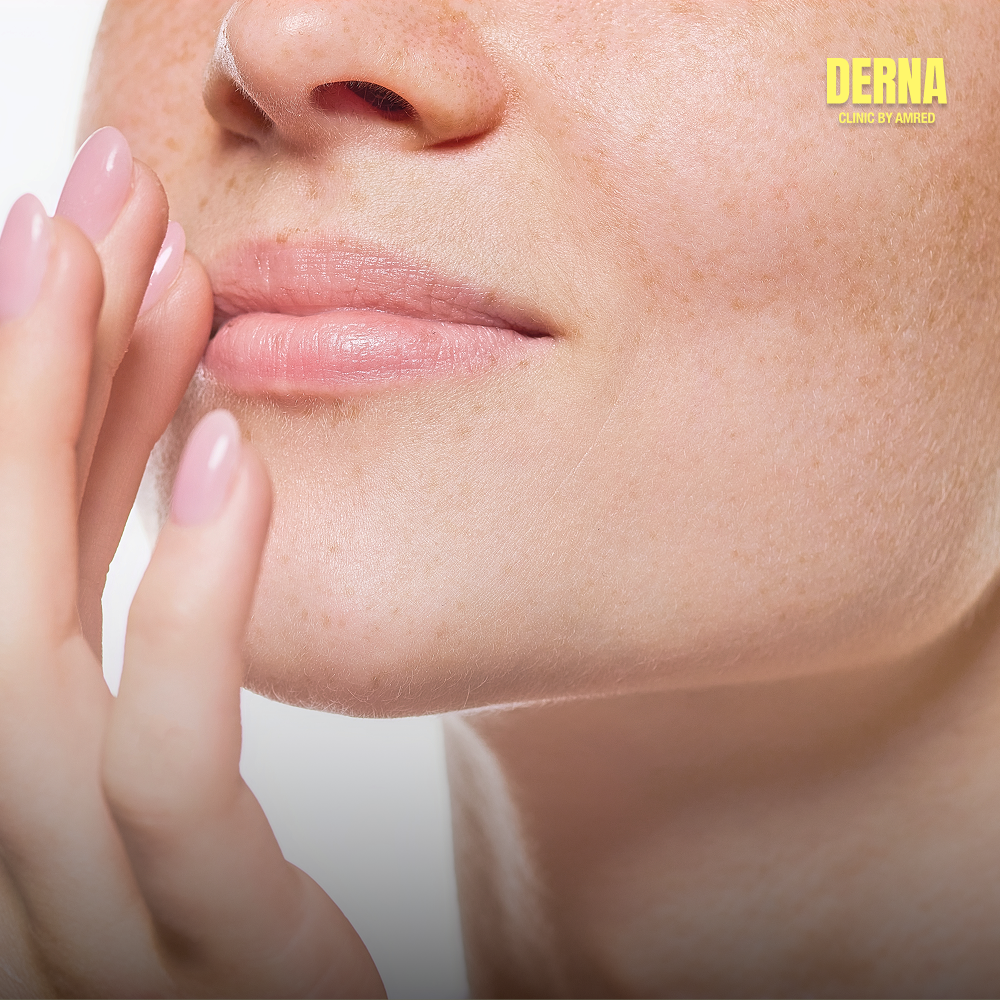
The most reliable way to reduce the risk of side effects is to conduct an accurate skin diagnosis before the procedure. Especially if you fall under the following categories, it is advisable to determine the procedure's feasibility and plan through sufficient consultation.
✔️ If you have severe melasma or have recently experienced pigmentation troubles
✔️ If you have many spots or blemishes on your face that require energy adjustments for each area
✔️ If your skin has become sensitive due to recent tanning or strong UV exposure
✔️ If there are areas where you do not want hair removal, such as beard or hairline
Frequently Asked Questions
What is the cost of one session of titanium lifting and how is the pricing determined?
The cost of one session of titanium lifting varies depending on the total energy (kJ) delivered in one session. It is commonly divided into 60kJ and 80kJ programs, and as the treatment area expands and the total energy increases, the price also rises. Derna Clinic is currently running a titanium lifting event. If you are curious about the prices for titanium lifting at Derna Clinic, please check the link below.
※ Events may change or end without notice. If you cannot find the information you are looking for, please inquire for detailed guidance.
When do the effects of titanium lifting appear after the procedure?
Titanium lifting is a procedure where you can feel some changes right after the treatment. The wavelengths that reach deep layers instantaneously contract collagen, giving a feeling that the facial contours are refined. However, this immediate tightening may naturally decrease over time, and the actual improvement in elasticity gradually appears over the following weeks as new collagen builds up.
What is the duration of the effects of titanium lifting and the recommended treatment interval?
If you receive titanium lifting only once, the maintenance period is relatively short, around 2 to 3 months. Therefore, it is often recommended to repeat the procedure 3 to 5 times at intervals of 3 to 4 weeks to layer collagen. Once the recommended number of sessions is completed, the effects can last from 6 months to a year, and thereafter, the maintenance schedule is adjusted according to individual skin conditions. The exact number of sessions and intervals may vary depending on the degree of skin aging, so it is advisable to plan through consultation.
How much pain is there during the titanium lifting procedure, and is anesthesia necessary?
Titanium lifting often uses a sapphire contact cooling system that lowers the tip surface temperature to near freezing, allowing the procedure to be performed without anesthesia cream, and the pain level is generally lower compared to other lifting procedures. However, the degree of pain varies from person to person, and areas with concentrated nerves, like the jawline, may feel a slight sting. If you are sensitive to pain, it is advisable to check in advance whether anesthesia can be adjusted during the consultation.
What are the differences between Ultherapy, Thermage, and titanium lifting?
Ultherapy uses ultrasound (HIFU) to strongly stimulate the deepest SMAS layer to lift sagging lines, while Thermage uses radiofrequency (RF) to evenly deliver heat to the dermis layer to improve skin elasticity. In contrast, titanium lifting uses three wavelengths of laser simultaneously to stimulate multiple layers from beneath the epidermis to the supporting ligament layer at once. This allows for immediate changes to be easily felt, but the maintenance of a single treatment may feel relatively shorter compared to Ultherapy or Thermage, which focus strongly on one layer. Therefore, if sagging is deep, Ultherapy or Thermage may be more suitable, while titanium lifting may be better if quick changes and shorter recovery are prioritized.
Can I wash my face, wear makeup, and resume daily activities right after the procedure?
Titanium lifting is not a procedure that uses needles, so the likelihood of bruising is low, and there is usually little swelling. Temporary redness or warmth may remain immediately after the procedure, but most of the time, it subsides within a short period, allowing for immediate washing or light makeup. Because of this feature, many people seek this treatment when they want to quickly prepare for a wedding shoot or important event.
Is it okay to perform the procedure on male beard or hairline areas?
Since the diode laser originally uses wavelengths intended for hair removal, areas with developed follicles, like beards, may react more sensitively to thermal energy. Therefore, when men receive treatment on the jaw or sideburn areas, they may experience more pain than women, and often need to undergo hair removal beforehand. Conversely, if there are areas like the hairline where hair removal is not desired, the energy intensity can be reduced or protected with taping.
Can I undergo other treatments like skin Botox, fillers, or skin boosters on the same day?
Titanium lifting is a laser-based treatment, so it is often performed alongside injection treatments like skin Botox, fillers, or skin boosters. Typically, it is recommended to first perform the lifting laser that delivers heat, followed by treatments like skin boosters or Botox. For volumizing treatments like fillers, it is easier to predict results if performed after confirming the lines established by the lifting.
What precautions should I absolutely avoid in post-care after titanium lifting?
Titanium lifting is a procedure that induces collagen production through heat delivered to the skin, so it is advisable to avoid applying ice packs or cold masks immediately after the procedure to calm the face. Forcing the heat to cool down can actually diminish the treatment effect. Additionally, activities that raise body heat, such as saunas, steam rooms, or intense exercise, should be avoided for about a week. Instead, protecting the skin with sufficient moisturizing cream and sunscreen can help with recovery and maintaining effects.
If you are worried about titanium lifting side effects, check your diagnosis before the procedure.
Titanium lifting is a procedure that attracts attention for its potential for quick changes, but it does not yield the same results and skin reactions for everyone. Especially if you are concerned about titanium lifting side effects, it is essential to accurately assess your current skin condition rather than just checking the feasibility of the procedure.
From temporary reactions like redness or dryness to more serious issues like burns or pigmentation, the likelihood and severity can vary based on skin condition and treatment plans. Therefore, it is crucial to consider individual skin characteristics and treatment areas based on sufficient prior diagnosis.
Derna Clinic first checks the current skin condition using the EVE V MUSE 3D skin diagnostic device, and then conducts consultations considering individual skin characteristics and concerns.
If you are considering titanium lifting, rather than just worrying about side effects, make sure to confirm whether it is suitable for your current skin condition before making a decision.
10AM - 10PM EVERYDAY
SKIN. LOVE. LIFE
DERNA